

This collection is curated by the SynonymSeek Team, a group of English language writers publishing synonyms and guides to commonly confused words. Our team checks every meaning and example before publishing, so you can write and speak English with confidence.
Farther or further, what is the difference? The one-line answer is that farther means a longer physical distance you can measure, while further means more, additional or deeper in a figurative sense. If you can measure it in metres or miles, use farther. If you mean more of something or an idea taken deeper, use further. For example, “The village is farther than I thought” talks about real distance. But “We need further discussion” means more discussion, not a longer road. That single test solves the confusion almost every time. This guide explains the difference in full, with meanings, examples, common mistakes and a quick trick you will never forget. For formal definitions, see the Merriam-Webster dictionary entry for farther and the Cambridge Dictionary entry for further. If you still mix up farther or further, read the examples below.
Farther or Further: The Difference in One Sentence
Farther is about physical distance, the space between two real places. Further is about degree, amount or progress, how much more of something there is. Farther comes from far, and you can think of it as the comparative form of far for distance. Further comes from forth, and you can think of it as moving forward with an idea or a plan. In everyd ay speech many people use them as if they were the same word, but careful writers keep them apart, and exams often test the difference. That is the whole farther or further rule in one sentence.
Farther: Meaning and Examples
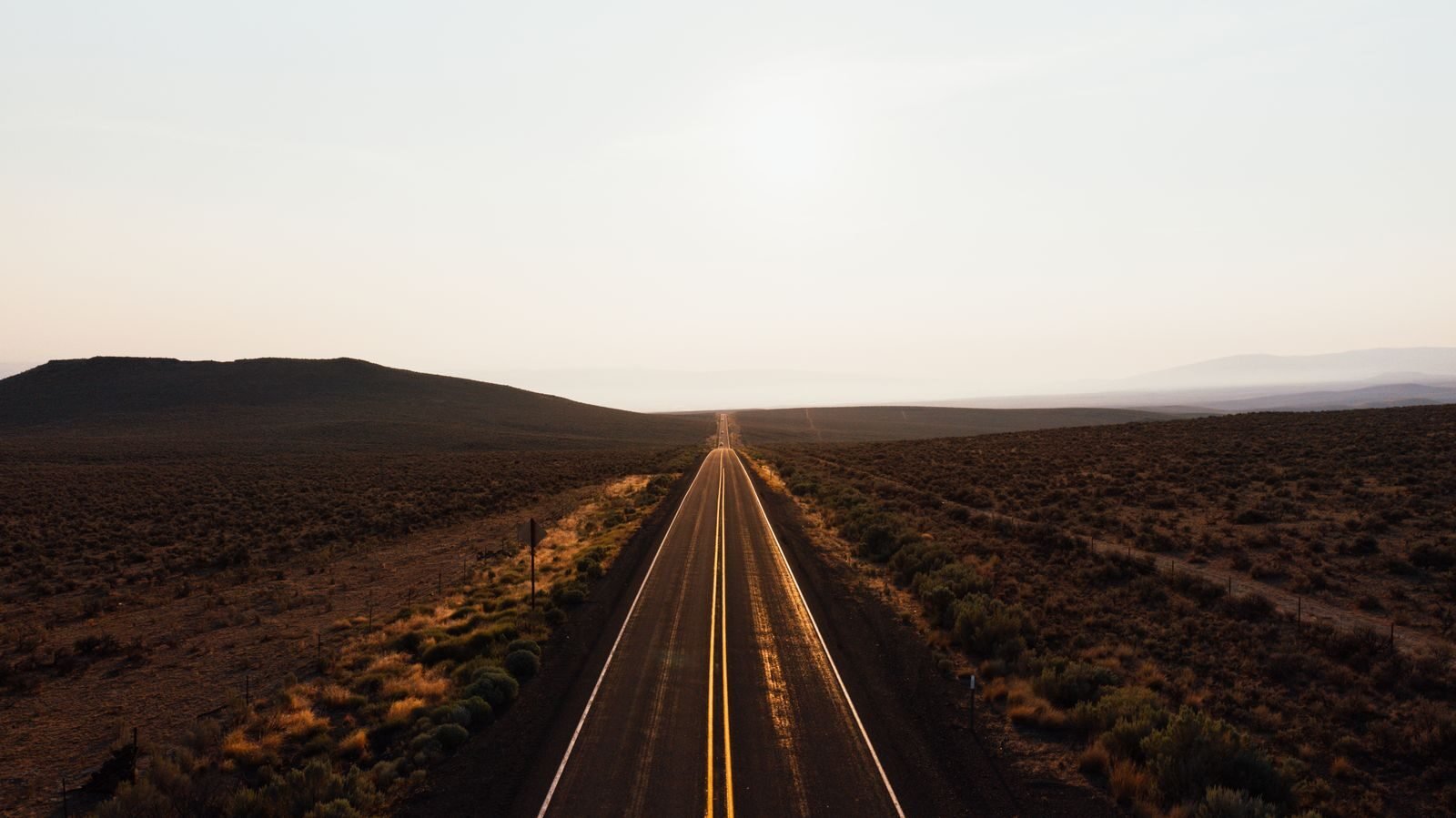
Farther means a greater physical distance. Use it when you talk about how far away a real place or thing is, and the distance can be measured in steps, metres, miles or kilometres.
Farther for physical distance:
- The station is farther from my house than the market.
- She ran farther than anyone else in the race.
- Can you move the chair a little farther from the wall?
- The new school is farther away, so we need the bus now.
Farther in comparisons:
- My village is farther than yours from the city.
- The beach is farther than the park, so let us take the car.
If you can point at the distance or measure it on a map, farther is the right word.

Further: Meaning and Examples
Further means more, additional or to a greater degree. Use it for ideas, plans, discussions, time and amounts, where no real distance is measured.
Further for more or additional:
- We need further information before we can decide.
- The teacher gave us further examples to help us understand.
- Please contact us if you need any further help.
- Further research is needed to prove the theory.
Further for progress or degree:
- Let us discuss this further in the next meeting.
- The new road will take the town further into debt.
- She wants to further her studies and become a doctor.
- Do not take this matter any further without asking first.
Notice that in every further example, you could replace it with more or additional and the sentence would still work. That is the test for further. This is a quick farther or further test you can use every time.

Farther vs Further: Quick Comparison Table
| Word | What it means | Test it | Example |
|---|---|---|---|
| Farther | Longer physical distance | Can you measure it? | The shop is farther away |
| Further | More or additional | Can you say more? | We need further details |
| Farther | Greater distance in a race | Measured in metres | He jumped farther than me |
| Further | Deeper into a topic | Can you say deeper? | Let us look further into it |
| Farther | Away from a place | Can you point at it? | Move farther from the fire |
| Further | Extra help or time | Can you say extra? | I need further time to finish |
| Farther | Physical travel | Measured in miles | They drove farther north |
| Further | Progress in studies | Can you say advance? | She wants to further her career |
| Farther | Distance between towns | On a map | Lahore is farther than Karachi |
| Further | More discussion | Can you say more? | No further questions, please. |
The Easy Trick to Remember Farther vs Further
The trick is simple: remember the word far inside farther. Farther contains the word far, and far is about distance, so farther is about distance too. Further has no far inside it, and it means more or additional. Try it now. “The hospital is farther / further from here.” Distance can be measured, so the answer is farther. “We need farther / further proof.” Proof is not a distance you can measure, it means more proof, so the answer is further. Use this trick for a week and the choice becomes automatic. Another memory aid is that further also works as a verb meaning to advance something, as in “to further your career”, while farther never works as a verb. Keep this farther or further trick in mind when you write.
Common Mistakes with Farther and Further
The most common mistake is writing further when the sentence needs physical distance. “The river is further than the hill” is wrong in careful English because the distance is real and measurable. The correct form is “The river is farther than the hill.” The opposite mistake is writing farther when you mean more. “We need farther discussion” is wrong because discussion is not a distance. The correct form is “We need further discussion.” A third mistake is using farther as a verb. “He wants to farther his career” is wrong; the verb is always further, as in “He wants to further his career.” Read your sentence and ask, can I measure this distance? If yes, use farther. If no, use further. Checking for farther or further before you submit your work saves marks.
Farther or Further in Everyday Sentences
Here are a few pairs so you can see the difference in real sentences. “How much farther is the station?” asks about real distance. But “Do you have any further questions?” asks for more questions. “She walked farther than her brother” talks about steps. But “She studied further than her brother” talks about more education. “Move farther back, please” is about space. But “Let us not go any further with this plan” is about progress. Once you hear the difference in pairs like these, the rule sticks. For more pairs that confuse learners, see our guide to its or it’s and our guide to who or whom, plus our guide to who’s or whose. Practising farther or further pairs like these makes the choice easy.
What is the difference between farther and further?
Farther means a longer physical distance you can measure, while further means more, additional or deeper. “The shop is farther away” is distance. “We need further details” means more details.
When do I use farther?
Use farther when you talk about real physical distance that can be measured in steps, metres or miles. “She ran farther than me.” “The village is farther from the city.”
When do I use further?
Use further when you mean more, additional or deeper. “We need further information.” “Let us discuss this further.” Further is also a verb meaning to advance, as in “to further your career.”
Can further be used for physical distance?
In everyday speech, many people do use further for distance, and most readers will understand it. But in careful and exam English, farther is correct for physical distance and further is kept for figurative meaning.
Can farther be used for figurative distance?
No, farther should not be used for ideas, plans or amounts. “Further discussion” is correct, not “farther discussion”, because a discussion has no distance you can measure.
How do I remember farther vs further?
Remember that farther contains the word far, and far is about distance. Further has no far in it and means more or additional. Ask yourself, can I measure this distance? If yes, use farther.
Is “further away” correct?
In everyday speech “further away” is very common and most people accept it. In careful English, “farther away” is more correct because away is about physical distance. Both will be understood.
Is “farther discussion” correct?
No. “Farther discussion” is wrong because a discussion is not a physical distance. The correct form is “further discussion”, meaning more discussion.
What does “further to our conversation” mean?
“Further to our conversation” is a formal business phrase meaning “following on from” or “in addition to” what we talked about. It is common in letters and emails, and it always uses further, never farther.
Is “furthermore” related to further?
Yes, furthermore comes from further and means “in addition” or “moreover”. “The hotel is expensive. Furthermore, it is far from the beach.” It is a formal way to add another point.
Which is correct: “farther down the road” or “further down the road”?
“Farther down the road” is correct in careful English, because down the road is a real physical distance. “Further down the road” is common in speech, but farther is the careful choice.
Do Americans and British people use farther and further differently?
The rule is the same in American and British English: farther for physical distance, further for more or additional. The difference is that Americans follow the rule a little more strictly, while British speakers often use further for distance in everyday speech.
#FartherOrFurther #FartherVsFurther #EnglishGrammar #LearnEnglish #ConfusingWords #SynonymSeek
This collection is curated by the SynonymSeek Team, a group of English language writers publishing synonyms and guides to commonly confused words. Our team checks every meaning and example before publishing, so you can write and speak English with confidence.